A Damaged Bumper Is More Than the Plastic You See
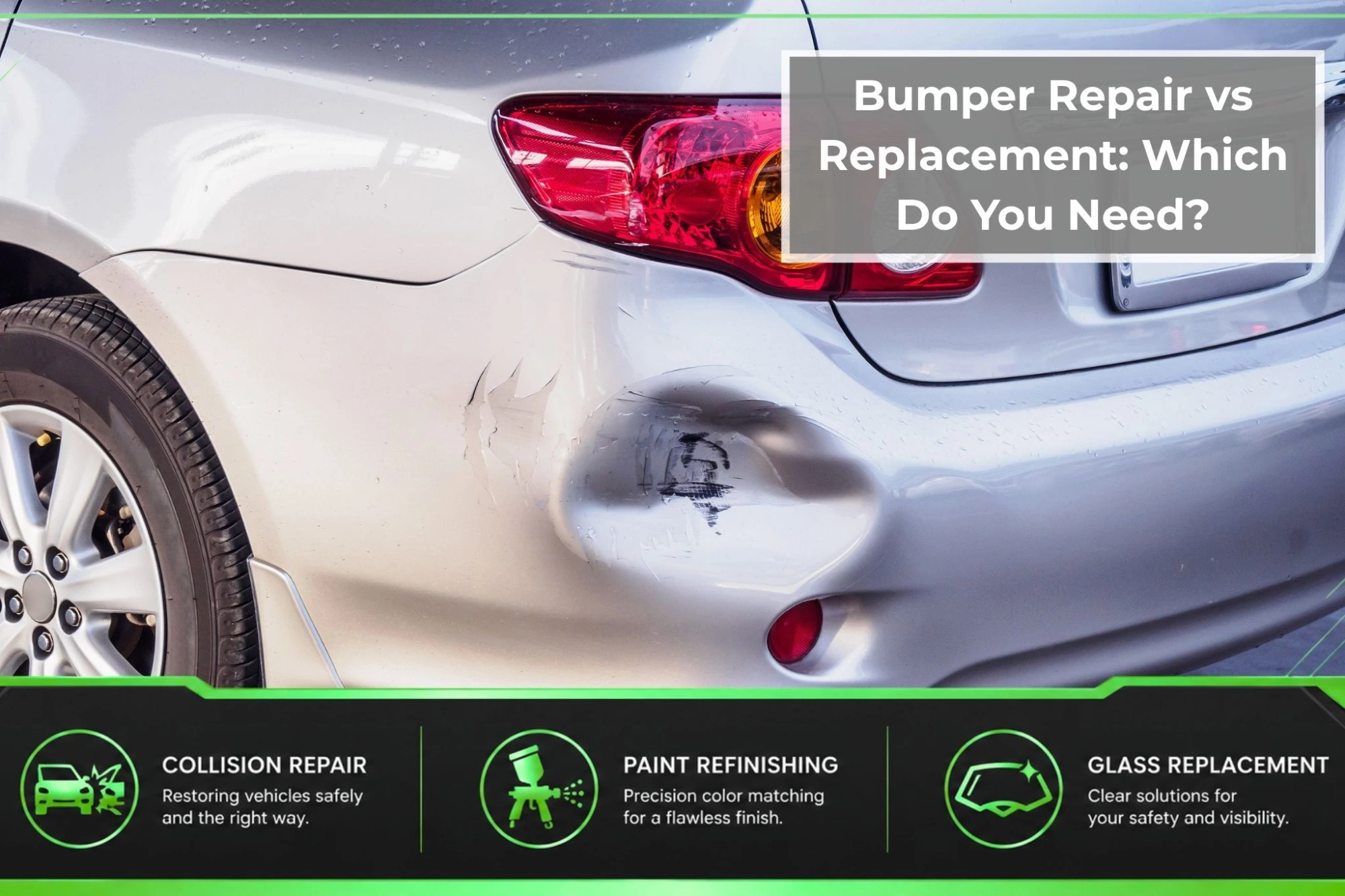
After a parking-lot impact or collision, the first question is often whether the damaged bumper can be fixed or needs to be replaced. The answer to bumper repair vs replacement depends on more than the size of a scratch, dent, or crack. The shop may need to consider the bumper material, mounting points, components behind the cover, paint damage, vehicle-specific repair procedures, and any sensors located in or behind the damaged area.
For Prairieville-area drivers, Lankford Paint & Body handles collision, body, paint, and structural repairs based on what the vehicle actually needs. Photographs can help begin the estimating process, but the complete repair decision may require an in-person inspection or disassembly when the condition behind the bumper cover is not visible.
What Drivers Call the “Bumper” Is Usually a System
The painted or textured piece visible from outside the vehicle is usually the bumper cover or fascia. Depending on the vehicle, components behind or attached to it may include mounting brackets, retainers, an energy absorber, reinforcement, wiring, lights, parking sensors, radar-related equipment, or other hardware.
That distinction matters. A scratched cover can sometimes have no meaningful damage underneath, while a relatively minor-looking impact can damage mounting points or components hidden behind the cover.
This is why hidden bumper damage should be considered before deciding that the repair is only cosmetic.
Bumper Repair vs Replacement: What Determines the Decision?
Scratches, Scuffs, and Surface Damage
Localized scratches, scuffs, paint transfer, and some minor cosmetic damage can be candidates for bumper cover repair when the plastic itself remains suitable for repair.
3M’s flexible bumper repair guidance distinguishes minor cosmetic damage from cracks and tears that penetrate the plastic, which require a different repair approach. This illustrates why repairability should be based on the actual condition of the material rather than a universal rule based on appearance alone.
Paint condition also matters. A repair may require preparation and refinishing to restore the damaged surface rather than simply reshaping the cover.
Can a Cracked Bumper Be Repaired?
If you are asking Can a cracked bumper be repaired, the answer is sometimes.
There is no reliable universal crack-length rule that determines whether every bumper should be repaired or replaced. Repairability can depend on the plastic, crack location, surrounding deformation, access to both sides, mounting areas, previous repairs, and manufacturer restrictions.
Professional repair systems exist for both cosmetic damage and more significant cracks or tears, but whether those methods are appropriate must still be determined for the specific bumper and vehicle.
What About Broken or Torn Mounting Tabs?
A damaged mounting tab does not automatically make replacement mandatory.
3M’s plastic tab repair guidance describes professional methods for rebuilding some damaged plastic tabs while also noting that each repair needs to be evaluated against the specific vehicle, part, and OEM guidance.
The practical question is whether the bumper cover can be restored so that it attaches, aligns, and functions as required. Multiple damaged mounting areas, severe distortion, missing material, or manufacturer restrictions can change the answer.
Damage Behind the Bumper Cover
Sometimes the most important damage cannot be seen until the cover is removed.
An impact can affect brackets, absorbers, reinforcement components, adjoining sheet metal, sensor mounts, or other parts behind the visible surface. A bumper that sits unevenly, has changed panel gaps, or will not stay secured deserves a closer inspection rather than a cosmetic-only assumption.
If the impact also caused changes in body alignment, door or trunk operation, steering, or tracking, Lankford’s guide to signs of possible structural damage after an accident explains why the vehicle may need evaluation beyond the bumper itself.
If you are unsure whether you need a bumper repair or replacement, Lankford Paint & Body can inspect the damaged area, explain what is visible, and determine whether additional inspection is needed before recommending the repair. Its current collision repair services include repairs ranging from minor collision damage to structural work when the actual damage requires it.
Sensors and ADAS Can Change the Repair Decision
Modern bumpers can interact with parking sensors, radar units, blind-spot systems, and other driver-assistance technology. However, the presence of a sensor does not automatically mean every damaged bumper must be replaced.
The correct procedure depends on the vehicle.
I-CAR’s guidance on bumper covers with ADAS emphasizes that manufacturers have different repairability requirements and directs repairers to vehicle-specific OEM information.
A useful example is Honda’s bumper-cover repair position statement. On certain models with blind-spot radar, Honda identifies specific radar transmission areas where some substrate damage cannot be repaired, while other damage outside those areas may have different repair options.
This is why there should not be a blanket rule that every sensor-equipped bumper must be repaired or every sensor-equipped bumper must be replaced.
Refinishing Is Part of the Decision Too
Whether a cover is repaired or replaced, paintwork may still be required.
Color matching can depend on the factory paint information, existing finish, color variants, vehicle age, previous refinishing, metallic or pearl effects, and the relationship between the bumper and surrounding panels.
Lankford’s guide to how body shops match automotive paint explains why a paint code is the starting point rather than the entire refinishing process.
The repair plan should therefore consider both the physical bumper damage and what is required to refinish the completed repair appropriately.
Why Photos Cannot Always Determine Repair or Replacement
Photos are useful for documenting visible damage and starting an estimate, but they cannot always show what happened behind the bumper cover.
A photograph may clearly show a crack, scuff, or dent while missing a damaged mounting point, absorber, reinforcement component, or sensor bracket. This is one reason an initial estimate can change after disassembly.
When insurance is involved, newly discovered collision damage can also lead to a supplemental estimate. That does not automatically mean the first estimate was poorly prepared. The additional information may simply have become visible later in the repair process.
A Prairieville Bumper Repair
Consider a driver whose vehicle is struck at the rear corner in a low-speed collision.
The visible bumper cover has a scuff, a localized crack, and one corner that no longer sits flush with the quarter panel.
At first glance, bumper cover repair might appear possible. During inspection, however, the shop also needs to determine why the corner is misaligned. A damaged retainer or mounting tab may be involved, and the vehicle’s specific bumper design and sensor configuration may affect what repair methods are permitted.
If the cover, mounting area, and underlying components can be appropriately restored under the relevant repair procedures, repair may remain an option. If the damage or manufacturer requirements rule that out, damaged bumper replacement may be the appropriate repair path.
The point is not that one choice is always better. The goal of bumper repair vs replacement is to choose the method that fits the actual vehicle and damage.
Questions to Ask Before Authorizing Bumper Work
When discussing bumper repair or replacement options with a body shop, useful questions include:
- Is the damage limited to the bumper cover?
- Has anything behind the cover been affected?
- Are the mounting points and tabs still usable or appropriately repairable?
- What material is the bumper cover made from?
- Does the manufacturer restrict repair in this location?
- Are sensors or radar-related components located near the damage?
- Does the cover need refinishing after the repair?
- Could the repair plan change after the cover is removed?
- If replacement is recommended, what specifically makes repair unsuitable?
A good repair decision should be based on the damage and vehicle requirements rather than an arbitrary crack size or a photograph alone.
Find Out What Your Bumper Actually Needs
The right answer to bumper repair vs replacement depends on what was damaged, not simply how the bumper looks from the parking lot.
Lankford Paint & Body provides collision and body repair for Prairieville and surrounding Ascension Parish communities. Current website information states that estimates are free and no appointment is required for an estimate during normal business hours.
Lankford Paint & Body
38173 Post Office Rd
Prairieville, LA 70769
Call (225) 241-8904 to discuss your bumper or collision damage and arrange a free estimate. You can also provide vehicle details and optional damage photos through the free estimate form.
FAQs
Can a cracked bumper be repaired instead of replaced?
Sometimes. The decision depends on the bumper material, crack location, surrounding damage, mounting points, previous repairs, sensor areas, and manufacturer procedures. There is no universal crack-size rule that applies to every vehicle.
Does a broken bumper mounting tab mean I need a new bumper?
Not automatically. Professional plastic-tab repair methods exist for some applications, but the shop must determine whether the particular tab and bumper can be restored appropriately and whether OEM guidance allows the repair.
Can a bumper look fine but have hidden damage?
Yes. The visible cover can conceal mounting, absorber, reinforcement, sensor-related, or nearby body damage. Disassembly may sometimes be necessary to establish the complete repair scope.
Does a bumper with parking sensors or radar always need replacement?
No. Requirements vary by vehicle, damage location, system design, and manufacturer procedure. Some manufacturers identify areas where certain repairs are prohibited, while allowing other repairs under specific conditions. Always use the current vehicle-specific repair information.