Why Your First Collision Estimate May Not Be the Final Repair Plan
You may receive an insurance estimate after an accident, leave your vehicle at the body shop, and then hear that the shop needs to submit a collision repair supplement. That can sound like the repair suddenly became more expensive, but a supplement is simply a documented revision to the original estimate when additional damage, parts, labor, or required procedures are identified.
For Prairieville-area drivers, Lankford Paint & Body currently handles written estimates, supplements, and communication with insurance adjusters as part of its collision repair process. The shop’s website also makes clear that the first estimate is based on what can be identified at that stage and that repair circumstances can change as more information becomes available.
What Is a Collision Repair Supplement?
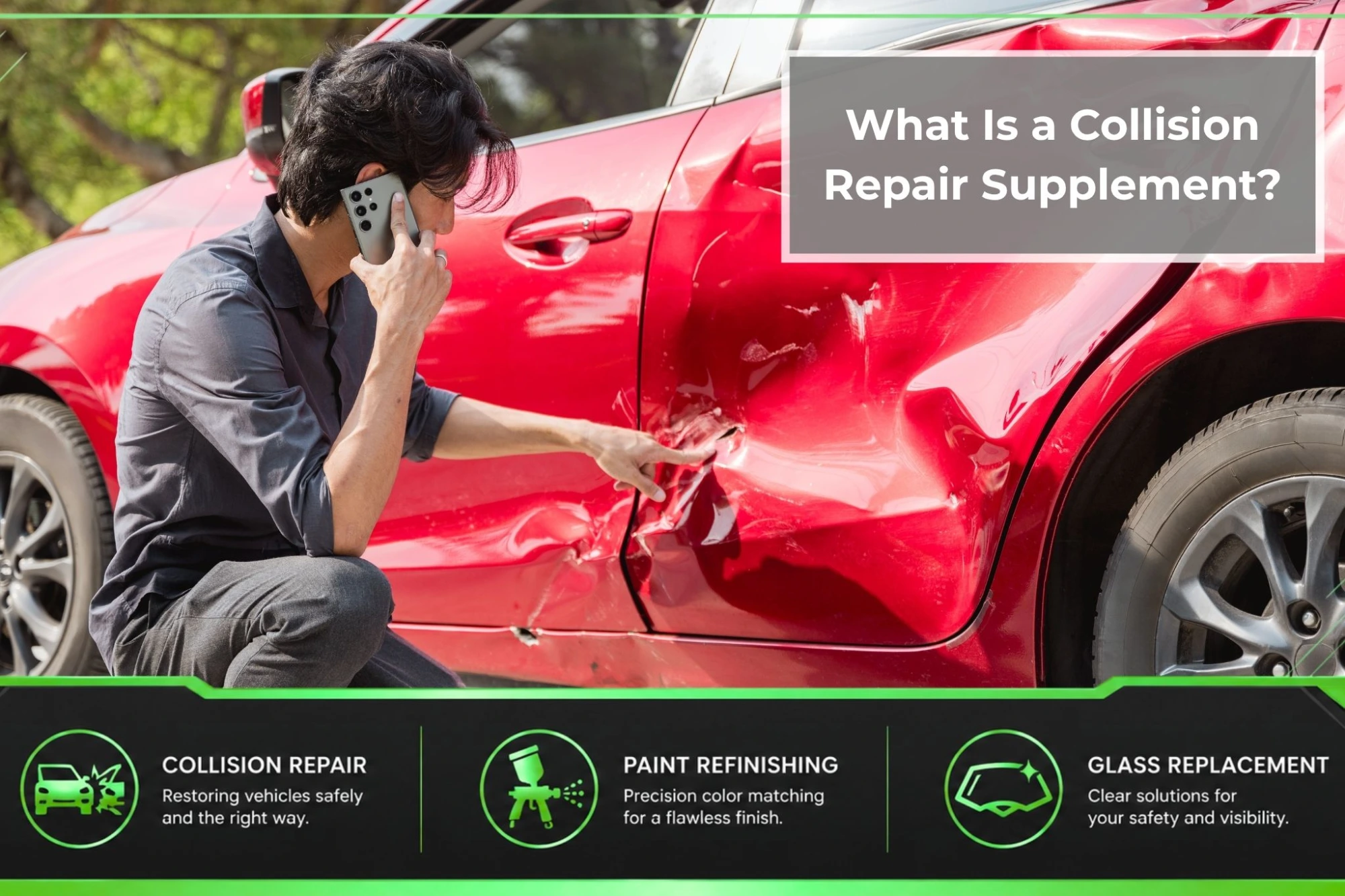
A collision repair supplement is an update to the original repair estimate. It documents repair needs that were not known, visible, confirmed, or correctly priced when the earlier estimate was prepared.
A body shop supplement might add a newly discovered damaged component, change a repair operation to replacement, revise a parts requirement, or add labor needed to follow the appropriate repair procedure. It can also remove or change an item if new information shows that the original plan should be revised.
A supplement does not automatically mean the original estimator did poor work. Some collision damage is physically concealed until exterior components are removed.
The Louisiana Department of Insurance recommends that consumers obtain a written estimate showing the work, parts, and labor involved and that the repair facility communicate when costs exceed the original estimate. Louisiana Department of Insurance accident guide
Why Hidden Damage Often Appears During Disassembly
A damaged bumper cover can hide brackets, reinforcement components, mounting points, wiring, sheet metal, or other parts behind it. A damaged door or quarter panel can also limit access to the areas that absorbed the collision force.
That is why an initial exterior inspection or photo estimate cannot always establish the complete repair scope.
I-CAR describes blueprinting as a process that begins with disassembly to expose loss-related damage and collect the parts, materials, OEM procedures, and other information required for a complete repair plan. I-CAR blueprinting and disassembly guidance
When an insurer’s first estimate cannot include concealed damage, the shop can document what it discovers and prepare a supplemental estimate submission for review.
The Supplement Process From Estimate to Updated Repair Plan
The process can be understood as a simple workflow:
- Initial estimate: The insurer, repair facility, or both document damage that can reasonably be identified.
- Disassembly or teardown: Damaged components are removed when necessary to expose the repair area.
- Additional damage is discovered: The shop identifies newly visible damage, changed parts requirements, or additional repair operations.
- Supplement is prepared: Photos, revised estimate lines, parts information, procedures, measurements, or other supporting information are documented.
- Insurer review: The carrier reviews the insurance repair supplement and may approve it, request additional information, revise particular items, or question part of the requested scope.
- Repair plan is updated: Once the relevant decisions are resolved, the shop can move forward based on the updated repair plan.
The goal is not to keep changing the estimate unnecessarily. It is to make the repair plan reflect what is actually known about the vehicle.
OEM Procedures Can Change What the Repair Requires
Finding an additional damaged part is not the only reason a collision estimate supplement may be necessary.
Modern collision repairs can depend on manufacturer-specific information such as construction materials, welding requirements, corrosion protection, diagnostic procedures, and post-repair operations. I-CAR advises repairers to research body repair manuals, service information, technical documents, and associated procedures instead of assuming that replacing one component tells the entire repair story. I-CAR repair-planning guidance
That means research performed after the initial estimate can reveal a legitimate additional operation required for that particular make, model, year, or repair location.
Lankford’s collision and structural repair services include frame and structural work when the actual damage requires it, rather than assuming every collision involves structural repair.
Parts and Pricing Can Also Change
A supplement is not limited to hidden physical damage.
A listed part may have a different current price, a previously specified part may not fit the vehicle’s actual configuration, or the repair plan may require a different part after the damaged area is opened.
Parts categories can also matter. Louisiana’s Department of Insurance notes that non-OEM aftermarket crash parts intended for a repair must be identified in writing, and an owner who specifically requests OEM parts may sometimes be responsible for a price difference.
The correct question is not whether one parts category is universally better. It is which part is appropriate for the vehicle, repair, manufacturer requirements, insurance claim, and customer authorization.
If your insurance estimate and the repair plan do not match, Lankford Paint & Body can inspect the vehicle, document the additional repair needs, and communicate the supplement to the adjuster. Its current collision repair services specifically include writing estimates and handling supplements.
Does a Supplement Mean You Owe the Added Amount?
Not automatically.
An insurance repair supplement is a request for the insurer to review an updated repair scope. It is not the same as automatically assigning the additional amount to the customer.
For a covered first-party collision claim, the Louisiana Department of Insurance explains that the insurer generally pays covered repair and labor costs subject to the applicable deductible. Certain choices or uncovered items can still create customer responsibility, including some parts-price differences.
If the shop and insurer disagree about an item, ask:
- What operation or part is being questioned?
- Is insurer review still pending?
- Has the carrier requested more documentation?
- Is any known amount expected to be customer-pay?
- Has the customer authorized that additional cost?
Do not assume every added estimate line will be approved, but do not assume every difference becomes your personal bill either.
Why Documentation Matters in Louisiana
A supplement should create a clear record of what changed and why.
Current Louisiana law reinforces the importance of documentation. Effective July 1, 2026, R.S. 22:1923 includes, within the definition of a fraudulent insurance act when done knowingly and with intent to defraud, altering an original repair estimate, revision, or supplemental estimate without documentation in the claim file or another means of notifying the estimate’s issuer. Louisiana R.S. 22:1923
For customers, the takeaway is simpler: document estimates and supplements rather than treating them as unexplained changes.
A Prairieville Collision Example
Consider a Prairieville driver whose vehicle is rear-ended.
The first estimate includes a damaged bumper cover and refinishing. After the vehicle reaches the body shop and the bumper is removed, the technician finds a damaged mounting component behind it. Repair research also identifies an additional operation that was not included in the initial estimate.
The shop photographs the findings, updates the estimate, and submits a body shop supplement to the insurer.
The insurer then reviews that documentation. If the insurer accepts the new repair scope, it updates the repair plan and parts requirements accordingly.
Nothing in this scenario means the first estimate was intentionally incomplete. The information simply became available later.
Can a Supplement Delay Collision Repair?
Yes, but the supplement itself is only one possible source of delay.
Additional damage can mean the shop must locate or order new parts. The shop may also need insurer review before proceeding with work tied to the newly discovered damage.
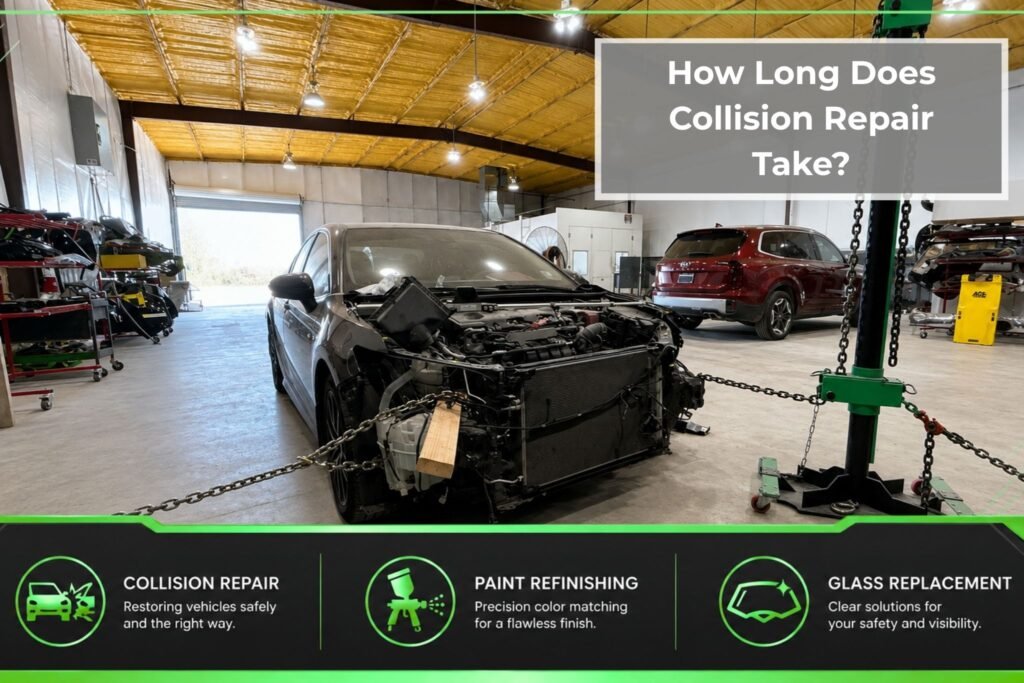
Lankford’s guide to how long collision repair takes explains that hidden damage, parts availability, supplemental insurer review, body work, refinishing, and final repair procedures can all affect the timeline.
If you are using a rental vehicle during the repair, it can also be useful to review Lankford’s guidance on insurance and rental cars during repairs, since rental authorization and repair timing are separate insurance issues.
Questions to Ask When You Receive a Supplement
If a collision estimate supplement is submitted on your repair, ask the shop for a plain-language explanation:
- What additional damage was discovered?
- Was that damage hidden before disassembly?
- Which parts or labor operations changed?
- Did OEM repair information affect the repair plan?
- Has the supplement been sent to the adjuster?
- Is anything still waiting for insurer review?
- Has the projected repair timeline changed?
- Is there any known amount I may personally owe?
- Will I be contacted before customer-pay work is authorized?
You should not need to negotiate every estimate line yourself, but you should understand why the repair plan changed.
For broader information about working with an insurer and selecting a repair facility, see Lankford’s guide to choosing your own body shop in Louisiana.
Get a Clear Repair Plan Before Work Moves Forward
A a is best understood as a documented update to the repair plan when additional information becomes available. Hidden damage, changed parts requirements, OEM procedures, labor operations, and other findings can all make a supplement necessary without automatically meaning someone made an error.
Lankford Paint & Body currently provides collision repair, written estimates, supplement handling, and adjuster communication for Prairieville and surrounding Ascension Parish communities. The shop also offers free estimates with no appointment required during normal business hours.
Lankford Paint & Body
38173 Post Office Rd
Prairieville, LA 70769
Call (225) 241-8904 to discuss your collision damage or arrange a free estimate. You can also send vehicle information, the VIN, a description of what happened, and optional damage photos through the free estimate form.
This article provides general collision-repair and insurance information and is not individualized legal or insurance advice.
FAQs
Is a collision repair supplement normal?
Yes. Supplements can occur when damage that was concealed during the first estimate becomes visible after disassembly or when parts, labor, procedures, or other repair requirements become better defined.
Does a supplement mean the first insurance estimate was wrong?
Not necessarily. The initial estimate reflects information available at that stage. A hidden damage insurance estimate issue can arise simply because bumper covers, panels, trim, and other components prevented the estimator from seeing the complete damage.
Does insurance automatically approve a body shop supplement?
No. The insurer reviews the supplemental documentation and may approve it, request more information, revise specific items, or dispute part of the requested repair scope. Approval should not be assumed before review.
Can a supplement change how long my vehicle stays in the shop?
Yes. Newly discovered damage may create additional parts needs, repair operations, or insurer-review steps. The effect on timing depends on the specific repair rather than the existence of the supplement alone.