
Why Two Collision Repair Estimates Can Show Different Numbers
After an accident, it can be confusing to receive one figure from the insurance company and a higher figure from the repair facility. If your insurance estimate is lower than the body shop estimate, that difference does not automatically mean either side made a mistake. The two documents may have been written at different stages of the claim and may reflect different information about the vehicle.
For Prairieville-area drivers, Lankford Paint & Body handles collision repairs, writes estimates, prepares supplements, and communicates with insurance adjusters. The key step is understanding why the numbers differ before assuming the first insurance figure reflects the full repair cost. Lankford’s current site states that it writes estimates and handles the supplement process with insurers.
Body Shop Estimate vs Insurance Estimate: Different Purposes
An insurance estimate generally begins with the damage the adjuster can identify at that point in the claim. The Louisiana Department of Insurance explains that an adjuster examines the vehicle damage and that the insurer uses the adjuster’s findings as the basis for its settlement. LDI also recommends obtaining a written repair estimate that identifies the work, parts, and labor involved. Review the Louisiana Department of Insurance guide for drivers after an accident.
Meanwhile, a body shop may develop a more detailed repair plan as it inspects, disassembles, measures, and researches the vehicle. That distinction is often the key to understanding body shop estimate vs insurance estimate differences.
The first estimate is therefore better viewed as a starting point than a guarantee that no additional repair needs will be identified.
Why an Insurance Estimate May Be Missing Damage
Some Damage Is Hidden Behind Exterior Parts
A bumper cover may be visibly cracked while the components behind it cannot be fully inspected until the cover is removed. The same issue can occur around lamps, trim, reinforcement components, brackets, sheet metal, and structural areas.
I-CAR explains that collision forces can create indirect damage away from the obvious impact area and that some problems only become visible once surrounding components are removed. I-CAR’s guidance on indirect collision damage gives an example of hidden damage that could not be identified until another component was removed.
That means an insurance estimate missing damage does not necessarily indicate that the adjuster intentionally excluded a needed repair. Sometimes the complete condition simply was not accessible during the first inspection.
I-CAR’s disassembly training also specifically identifies discovering areas of hidden damage as a purpose of the disassembly process. See I-CAR’s disassembly and reassembly guidance.
Photo-Based or Exterior Estimates Have Natural Limits
Photos can help start a claim or document visible damage, but a photograph cannot show everything concealed behind a damaged panel.
For example, a photo of a rear bumper may show scratches and deformation. It may not show damaged mounting points, reinforcement components, sensors, adjacent sheet metal, or other conditions behind the bumper.
This is one reason hidden damage after an accident can change the repair scope after the vehicle reaches the shop.
A preliminary estimate based largely on visible damage and a repair plan developed after disassembly should not be expected to contain exactly the same information.
What Is a Collision Repair Supplement?
A collision repair supplement is additional documentation created when the repair facility identifies repair needs that were not included in the original estimate.
A supplement may address:
- Newly visible damage after disassembly
- Additional labor operations
- Parts that were not originally identified
- Changes between repair and replacement decisions
- Refinishing requirements
- Vehicle-specific procedures
- Additional damage discovered during repair planning
An auto repair supplement should not automatically be treated as a surprise charge or evidence that somebody wrote a poor initial estimate. The repair facility may simply have information that was unavailable before parts were removed.
Louisiana also now specifically addresses documentation around repair estimates and supplements. Act 406, effective July 1, 2026, added provisions concerning alterations to an original adjuster’s or appraiser’s estimate, revisions, and supplemental estimates without documentation or notification to the estimate’s issuer when done knowingly with intent to defraud. Review Louisiana Act 406.
Parts Choices Can Change the Numbers
Parts are another common reason an insurance estimate is lower than the body shop estimate.
The insurance estimate and repair facility may initially reference different part types, availability, or repair-versus-replacement decisions. Those differences need to be evaluated for the specific vehicle rather than assuming one category is always correct.
Louisiana’s Department of Insurance notes that written estimates involving non-OEM aftermarket crash parts must identify those parts and provide the required disclosure. It also explains that a vehicle owner requesting OEM parts may, in some situations, be responsible for a price difference.
Before agreeing to pay any difference yourself, ask the insurer and body shop to explain exactly which part or operation is creating the difference and why.
Labor Operations May Not Be Identical Either
The total repair price is not determined by parts alone.
A complete repair plan can include operations for disassembly, body work, structural measurement when necessary, refinishing, blending, reassembly, glass, alignment, diagnostic procedures, corrosion protection, and other vehicle-specific steps.
Not every repair needs every operation. The repair plan should reflect what the particular vehicle and damage require.
If you already have an insurer estimate and want the vehicle evaluated, Lankford’s collision repair services in Prairieville include collision repair, structural work when necessary, paint refinishing, glass, and insurance estimate and supplement coordination.
A Rear-End Collision in Prairieville
Consider a Prairieville driver whose vehicle is rear-ended.
The insurer’s first estimate includes the visible bumper-cover damage and related refinishing. At that stage, the exterior damage appears relatively straightforward.
Once the repair facility removes the bumper cover, however, additional mounting damage becomes visible. Another damaged component also needs to be evaluated, and the repair plan now requires additional labor and a replacement part.
The shop documents the findings and prepares a collision repair supplement for the insurer.
Nothing about this example means the additional amount is automatically approved. The insurer still reviews the supplemental information. It does show why an initial insurance estimate missing damage may change after the vehicle is properly disassembled.
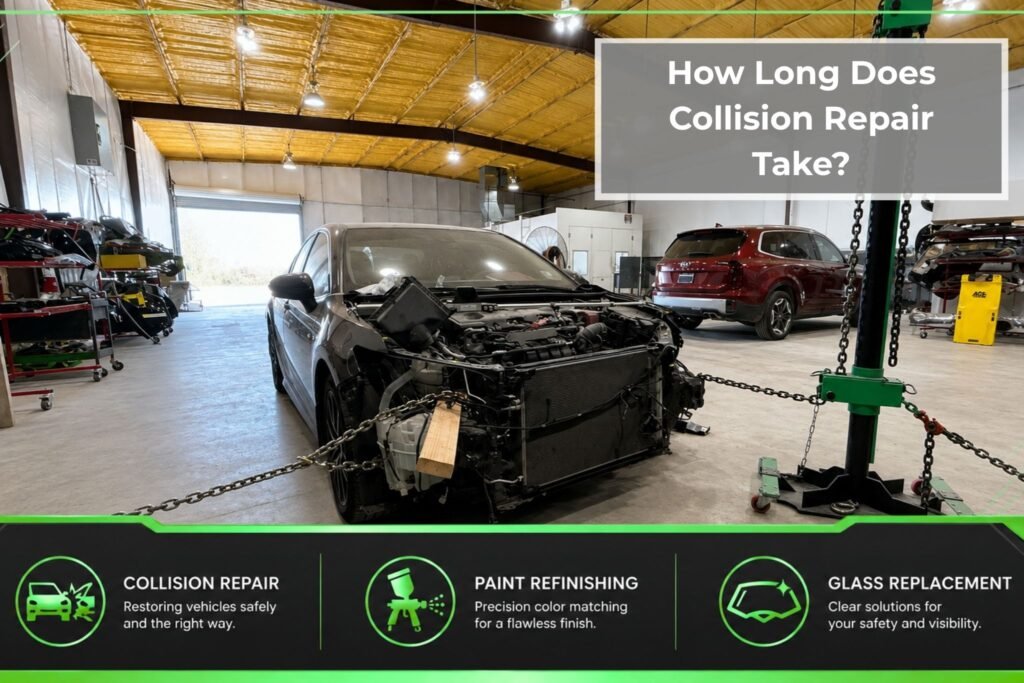
For more detail on how hidden findings and insurer review can affect the process, see Lankford’s guide to how long collision repair takes.
What Should You Do When the Estimates Do Not Match?
Do not focus only on the two totals. Ask what creates the difference.
Compare the repair operations, parts, labor, refinishing, and any newly documented damage. Ask the body shop which items were added after inspection or disassembly and whether an auto repair supplement has been submitted.
You should also ask the adjuster whether the additional documentation has been received and whether anything remains under review.
Do not assume you must approve an incomplete repair solely to keep the total equal to the first insurance estimate. At the same time, do not assume the insurer is required to approve every charge submitted by a repair facility. Coverage, repair scope, parts, documentation, deductibles, and policy terms can all affect the final responsibility.
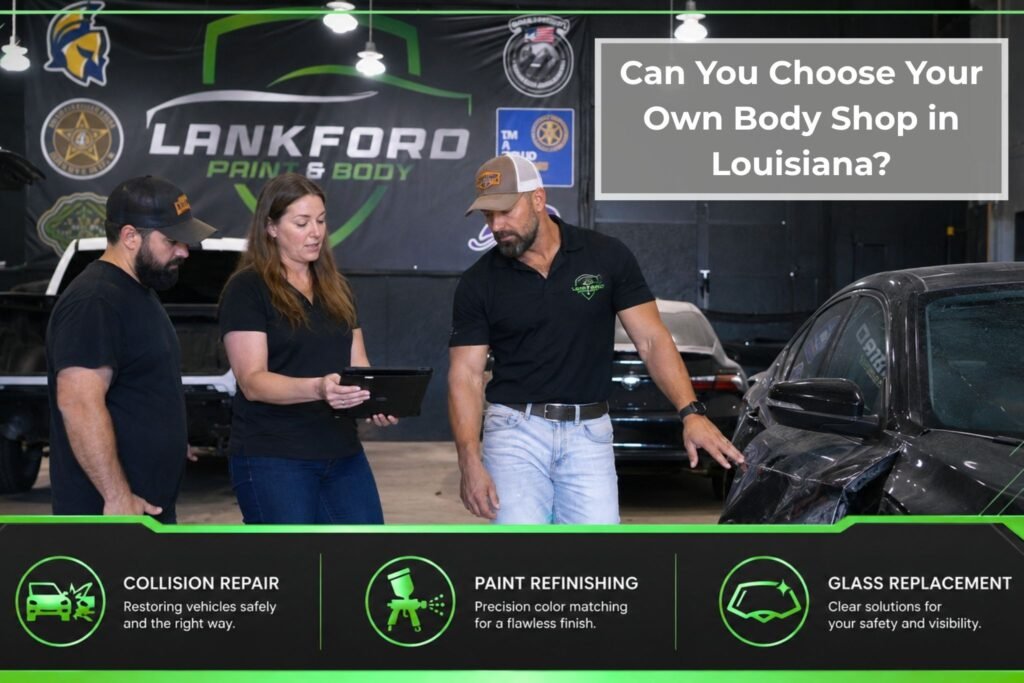
Lankford’s article on choosing your own body shop in Louisiana provides additional context on written estimates, supplements, shop selection, and parts disclosures.
Which Costs Could Still Be Your Responsibility?
The answer depends on the policy, claim, and repair.
For a first-party collision claim, the Louisiana Department of Insurance states that the insurer generally pays covered repair and labor costs minus the applicable deductible. The LDI guide also notes that customers requesting certain OEM parts may sometimes be responsible for a price difference.
Other disputed or non-covered amounts should be discussed directly with the insurer and repair facility before work proceeds.
Ask for a clear explanation of any amount being presented as your responsibility instead of assuming every difference between estimates becomes an out-of-pocket charge.
How Lankford Handles Estimate Differences and Supplements
When an insurance estimate is lower than the body shop estimate, the useful question is not simply, “Which number is correct?” It is, “What repair information does each estimate include?”
Lankford Paint & Body states that it provides written estimates, handles the estimate and supplement process, communicates with adjusters, and keeps customers informed when repair circumstances change. The shop also coordinates towing and rental arrangements when applicable.
That process allows newly identified damage to be documented rather than simply reducing the repair plan to match an earlier number.
Start With a Complete Repair Assessment
A difference between an insurer’s first estimate and the repair facility’s plan is not unusual when additional information becomes available. Hidden damage after an accident, parts decisions, labor operations, refinishing needs, and disassembly findings can all change the scope.
Lankford Paint & Body provides collision and body repair services for Prairieville and surrounding Ascension Parish communities. Current website information confirms free estimates and states that no appointment is required for estimates during regular business hours.
Lankford Paint & Body
38173 Post Office Rd
Prairieville, LA 70769
Call (225) 241-8904 to discuss your collision damage or arrange a free estimate. You can also provide your vehicle information, VIN, damage description, and photos through the free estimate form.
This article provides general information about collision repairs and insurance estimates and is not individualized legal or insurance advice.
FAQs
Why is my insurance estimate lower than the body shop estimate?
The estimates may have been prepared at different stages. The insurer’s first estimate may reflect the damage visible during its initial assessment, while the shop may identify additional parts, labor, or hidden damage during a more detailed inspection or disassembly.
What is an auto repair supplement?
An auto repair supplement documents additional repair needs identified after the original estimate. It can include hidden damage, additional parts, labor operations, or other changes to the repair plan. When insurance is involved, the insurer reviews the supplemental documentation.
Does the insurance company have to approve every supplement?
No automatic approval should be assumed. A collision repair supplement gives the insurer additional documentation to review, but coverage and payment decisions still depend on the claim, supporting information, policy terms, and applicable law.
Do I automatically pay the difference between the two estimates?
Not necessarily. First determine why the estimates differ. Deductibles, parts selections, coverage decisions, customer-requested changes, or unresolved repair-scope disagreements can affect responsibility. Ask both the insurer and repair facility to identify any amount they believe you must pay and the reason for it.