A Collision-Cracked Windshield Is Not Just a Bigger Rock Chip
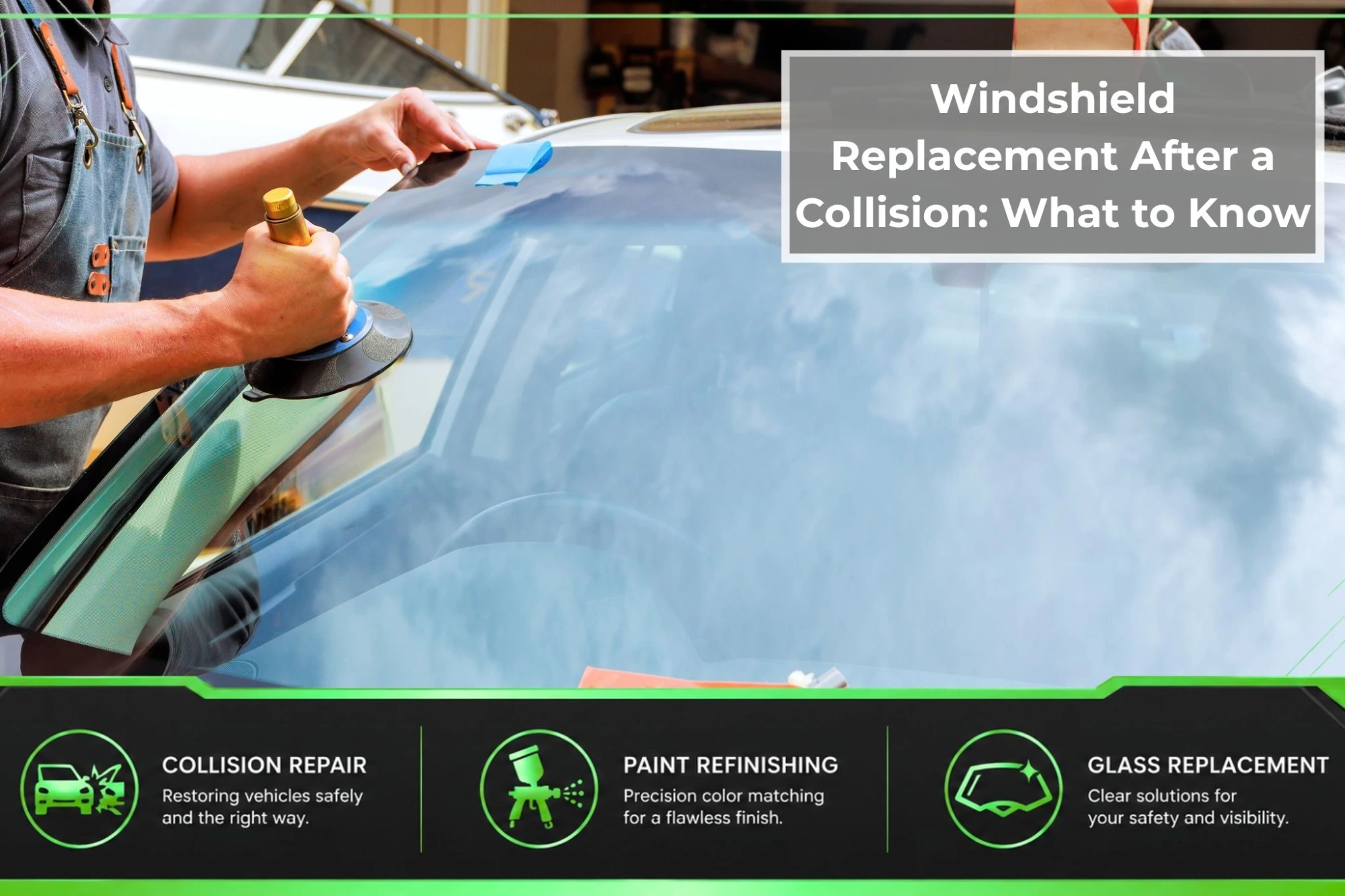
A windshield cracked in a collision is not simply a bigger version of a routine rock chip. When the glass is damaged during an accident, the repair may also involve the windshield opening, surrounding body panels, moldings, adhesive bonding area, cameras, sensors, or other features built into or mounted near the glass.
That is why windshield replacement after a collision should be considered as part of the overall collision repair plan, not automatically treated as an isolated glass job. Lankford Paint & Body in Prairieville currently provides collision repair and in-house glass replacement for windshields, back glass, and door glass, including glass work performed as part of a collision repair.
The key questions are: What else was damaged, which replacement glass is correct for the vehicle, how should it be installed, and does the vehicle require additional procedures afterward?
Collision Auto Glass Damage Can Extend Beyond the Glass
A routine windshield chip often begins with a small impact from road debris. Collision-related glass damage can be different because the force that cracked the windshield may also have affected the area around it.
Depending on the accident, a professional inspection may need to consider:
- Cracks or shattered glass
- Damage around the windshield opening
- A-pillar or roof-edge damage
- Distorted moldings or trim
- Damaged bonding surfaces
- Broken back glass or door glass
- Damage to nearby body panels
- Cameras, brackets, sensors, or other equipment associated with the glass
This does not mean every broken windshield after a crash indicates structural damage. It means the surrounding area should be evaluated before assuming the repair is limited to removing one piece of glass and installing another.
I-CAR’s guidance on stationary glass installation considerations explains that fixed glass installation can interact with adjacent panels, trim, alignment, bonding surfaces, and manufacturer-specific procedures.
If collision damage around the opening is discovered after closer inspection, that additional work may also affect the estimate. Lankford’s guide to the collision repair supplement process explains how newly identified damage can be documented and added to an updated repair plan.
The Glass Has to Match the Vehicle’s Actual Features
A windshield is not always interchangeable with another piece of glass that has the same general shape.
Depending on the year, make, model, and equipment package, replacement glass may need to account for features such as:
- Acoustic construction
- Factory tint or shading
- Camera mounting brackets
- Rain or light sensors
- Head-up display compatibility
- Heating elements or other embedded equipment where equipped
Lankford’s current glass replacement services specifically list windshields, back glass, door glass, laminated and acoustic glass, and tinted glass.
I-CAR’s OEM glass replacement guidance also notes that modern windshield replacement can involve cameras, rain sensors, light sensors, head-up displays, and other vehicle-specific requirements. The correct procedures and components should therefore be checked against current manufacturer information for the specific vehicle.
This is also why it is not accurate to say that one glass type, one replacement procedure, or one calibration rule applies to every vehicle.
Check the Windshield Opening Before Installation
When a windshield is replaced after an accident, the glass opening and bonding area matter.
If nearby collision repair involves the roof, A-pillar, cowl area, or another surface associated with the glass opening, those repairs may need to be completed before the new windshield is installed. Installing glass before the surrounding repair is properly addressed can create unnecessary rework.
The bonding flange, often referred to as the pinchweld, also requires appropriate preparation. I-CAR’s pinchweld preparation guidance emphasizes preserving corrosion protection and following appropriate refinishing and adhesive-product procedures when glass is installed in an area affected by body repair.
If your windshield was damaged in the same collision that affected the roof, pillar, door opening, or surrounding body panels, Lankford Paint & Body can evaluate the glass as part of the complete collision repair rather than treating it as an unrelated repair.
Adhesive Cure Time Matters After Windshield Replacement
A bonded windshield cannot necessarily be installed and immediately driven away.
The adhesive system needs sufficient time to reach the required strength under the conditions of that particular installation. Factors can include the adhesive product, temperature, humidity, vehicle, and installation process.
The Auto Glass Safety Council explains that minimum drive-away time varies by adhesive and environmental conditions and that the vehicle owner should be told when the vehicle can be operated after replacement.
That means statements such as “every windshield is ready in one hour” should be avoided.
For windshield replacement after an accident, follow the specific drive-away instructions provided for that installation rather than relying on a generic time found online.
Does Every Windshield Replacement Require Calibration?
No.
Some vehicles use a forward-facing camera or other advanced driver-assistance equipment mounted at or near the windshield. Replacing the glass on those vehicles may trigger calibration, aiming, initialization, scanning, or other procedures.
Other vehicles may not have the same equipment or requirements.
I-CAR’s calibration after windshield replacement guidance explains that requirements should be researched by year, make, model, and system and then confirmed using current OEM repair information. It specifically warns that its search tools do not replace the manufacturer’s repair procedure.
Therefore, a shop should not automatically tell every customer that calibration is required, nor should it assume that no calibration is needed.
The correct question is:
What does the manufacturer require for this particular vehicle after this particular glass replacement?
Lankford Paint & Body’s website does not currently state that ADAS calibration is performed in-house, so that capability should not be assumed. When calibration or other specialty work is required, it should be incorporated appropriately into the overall repair plan.
Back Glass and Door Glass Matter Too
Auto glass collision damage is not limited to the windshield.
A side impact can break door glass. Rear collision damage or flying debris can affect back glass. Broken glass can also accompany damage to doors, quarter panels, liftgates, or other surrounding body areas.
The repair facility should determine whether the problem is simply damaged glass or whether the opening, regulator, trim, weather sealing, adjacent panel, or another component also needs attention.
If broken or loose glass affects visibility, creates sharp exposed edges, or accompanies other significant collision damage, do not decide that the vehicle is safe to drive based only on photographs. Have the vehicle professionally evaluated.
How Windshield Insurance Repair Fits Into a Collision Claim
When glass is damaged during a larger accident, windshield insurance repair may become one line within the broader collision estimate rather than a separate routine glass claim.
The repair estimate may need to account for:
- Correct replacement glass
- Moldings or related components
- Labor
- Damage around the opening
- Required body repair
- Adhesive and installation procedures
- Vehicle-specific scanning or calibration where required
- Additional damage discovered during repair
Whether an insurer pays for a particular operation depends on the policy, claim circumstances, repair documentation, deductible, and insurer review. A body shop should not guarantee coverage or approval.
If additional collision damage becomes visible after work begins, an updated estimate may be required. That process is covered in Lankford’s article on collision repair supplements.
A Prairieville Collision Example
Consider a Prairieville driver involved in a front-corner collision.
The windshield develops a large crack near the passenger-side A-pillar. The exterior molding is displaced, and the vehicle has body damage near the windshield opening. A camera is also mounted behind the rearview mirror.
Simply ordering a windshield from a photograph would not establish the complete repair.
The body shop first needs to evaluate the collision damage surrounding the opening. It then identifies the correct replacement glass and its equipment. The glass installation is coordinated with the body repair, the appropriate adhesive instructions are followed, and the vehicle-specific manufacturer information is checked to determine whether the camera requires calibration or another procedure afterward.
If the closer inspection reveals additional collision damage that was not included in the initial estimate, the repair plan may also need to be updated.
That is a more realistic picture of windshield replacement after a collision than treating the job as a simple glass swap.
What Should You Ask Before Approving the Repair?
Useful questions include:
- Is the damage limited to the glass?
- Was the windshield opening checked for collision damage?
- Does the replacement glass match the vehicle’s original features?
- Are cameras or sensors mounted to or near the windshield?
- What does the manufacturer require after replacement?
- Does the vehicle require scanning, aiming, initialization, or calibration?
- What adhesive system is being used?
- What is the minimum drive-away time for this installation?
- Is the windshield part of the larger collision estimate?
- Could hidden damage change the repair plan or schedule?
For a broader explanation of why collision repairs can take different amounts of time, see Lankford’s guide to how long collision repair takes.
Get the Glass and the Collision Damage Evaluated Together
Proper windshield replacement after a collision means understanding why the glass broke, checking the surrounding repair area, identifying the correct glass features, following the appropriate bonding process, and verifying any vehicle-specific procedures that must happen afterward.
Lankford Paint & Body currently provides collision repair and glass replacement, including windshields, back glass, and door glass, at its Prairieville shop. The website also lists free estimates with no appointment required during normal business hours.
Lankford Paint & Body
38173 Post Office Rd
Prairieville, LA 70769
Call (225) 241-8904 to discuss collision-related glass or body damage and arrange a free estimate. You can also submit your vehicle, VIN, description of what happened, and optional damage photos through the free estimate form.
FAQs
Does a cracked windshield after an accident always need replacement?
Not every glass problem is identical, but Lankford Paint & Body’s current service model is replacement rather than chip repair. Collision-related windshield damage should also be assessed for possible damage around the glass opening and surrounding body area before the repair scope is finalized.
Does windshield replacement always require camera calibration?
No. Calibration requirements depend on the year, make, model, installed systems, and manufacturer procedures. Some vehicles require calibration after windshield replacement while others do not. Current OEM information should determine the requirement.
How long must a vehicle sit after a new windshield is installed?
There is no universal drive-away time. The required time depends on the adhesive system, environmental conditions, and installation requirements. Follow the instructions provided by the glass installer for that specific replacement.
Can collision damage around the windshield change the estimate?
Yes. If closer inspection reveals damage to the glass opening, surrounding panels, moldings, mounting areas, or other collision-related components, the repair plan may change. When insurance is involved, additional documented damage may lead to a supplemental estimate.